

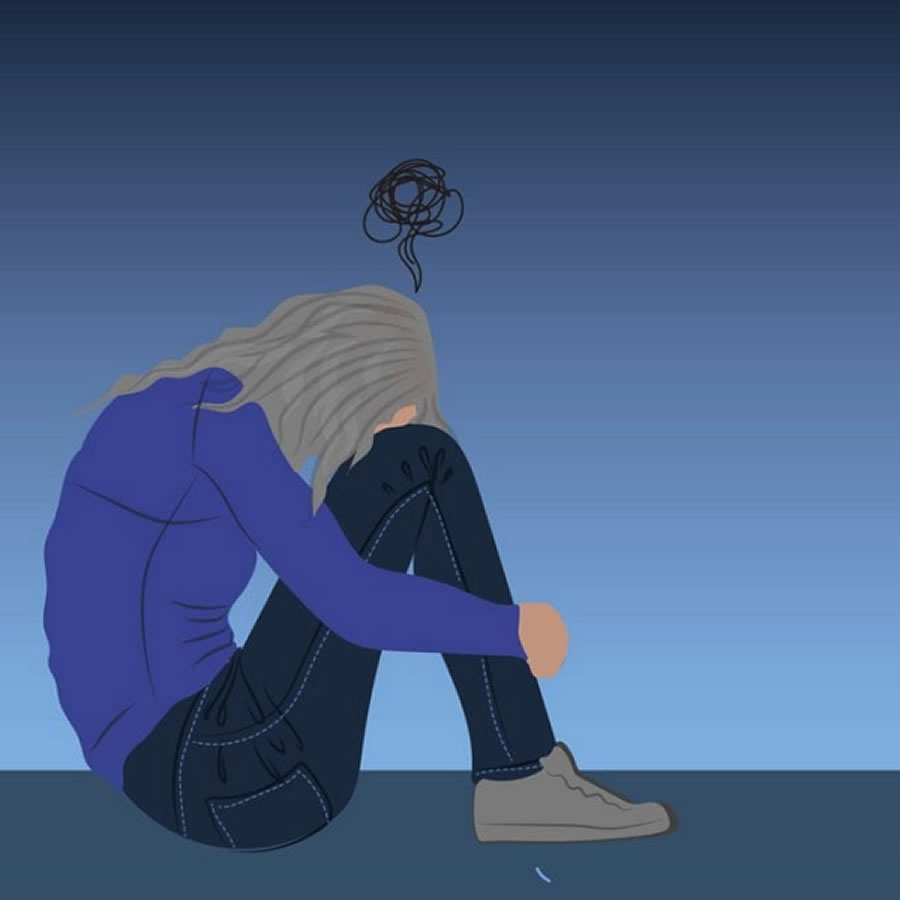
Chronic Pain & Illness Mental Health Treatment
Living with chronic pain or illness can be debilitating, affecting nearly every facet of a person’s well-being and relationships. Managing these conditions is often most effective through a multidisciplinary approach that addresses both physical and emotional health.
How Mental Health Therapy Can Help
Therapy supports individuals in managing complex responsibilities by helping them identify priorities and address avoidance patterns. Many people living with chronic pain also experience shame, guilt, or feeling misunderstood, all of which can make it harder to advocate for their needs. Patients who feel underserved or dismissed often face additional anxiety and difficulty communicating effectively with providers, family, and employers. Therapy can help individuals identify and overcome self-imposed limitations while building more effective communication skills.
Additionally, it is essential in learning how the mind and body’s stress arousal response system also correlates with pain. Learning to manage the stress response system can be invaluable in your journey in managing chronic pain.
Treatment Approaches
Modalities such as Cognitive Behavioral Therapy (CBT) and Exposure Response Prevention (ERP) can help individuals identify more effective ways to manage stress-arousal responses. Because stress responses often trigger or intensify physical pain symptoms, addressing the mind-body connection is a key part of effective chronic pain treatment.